Table of Contents
- What a Buyer Market Actually Means Right Now
- How Central Colorado Fits Into the Statewide Picture
- The True Cost of Ownership in This Region
- Strategies for Maximizing a Buyer Market Opportunity
- Affordable Housing Initiatives and What They Mean for Buyers
- Putting It All Together Before You Relocate
Colorado’s housing market has shifted in a meaningful way over the past year, and buyers who understand what that shift means are positioned to act with real confidence. As of October 2026, Colorado is firmly in a buyer market, with homes sitting a median of 67 days before selling and most closing slightly below asking price, according to Realtor.com’s Colorado Housing Market Trends data. For anyone considering a relocation to Central Colorado, that context matters enormously.
This post breaks down what the current conditions mean in practical terms, how to account for the full cost of ownership in this region, and what steps give buyers the strongest footing when making an offer.
What a Buyer Market Actually Means Right Now
A buyer market occurs when housing supply outpaces demand, which shifts negotiating power away from sellers and toward buyers. As explained by Wall Street Mojo’s buyer’s market analysis, this environment typically produces falling prices, more seller concessions, and a wider selection of available properties.
Colorado has been moving in this direction since early 2026. The Colorado Association of REALTORS® Market Trends Housing Report from August 2026 confirmed that slowing demand extended marketing times across the state and increased buyer negotiating leverage, even while prices remained relatively stable.
As of October 2026, Colorado homes are sitting on the market a median of 67 days and selling slightly below asking price. That is a meaningful shift from the frenzied pace of prior years, and it creates real room for buyers to negotiate terms, request repairs, and take their time.
For Central Colorado specifically, this matters because the region had long been insulated from broader market softening. Inventory in mountain communities tends to run thin. When conditions do loosen, even modestly, buyers gain options they simply did not have 18 to 24 months ago.
How Central Colorado Fits Into the Statewide Picture
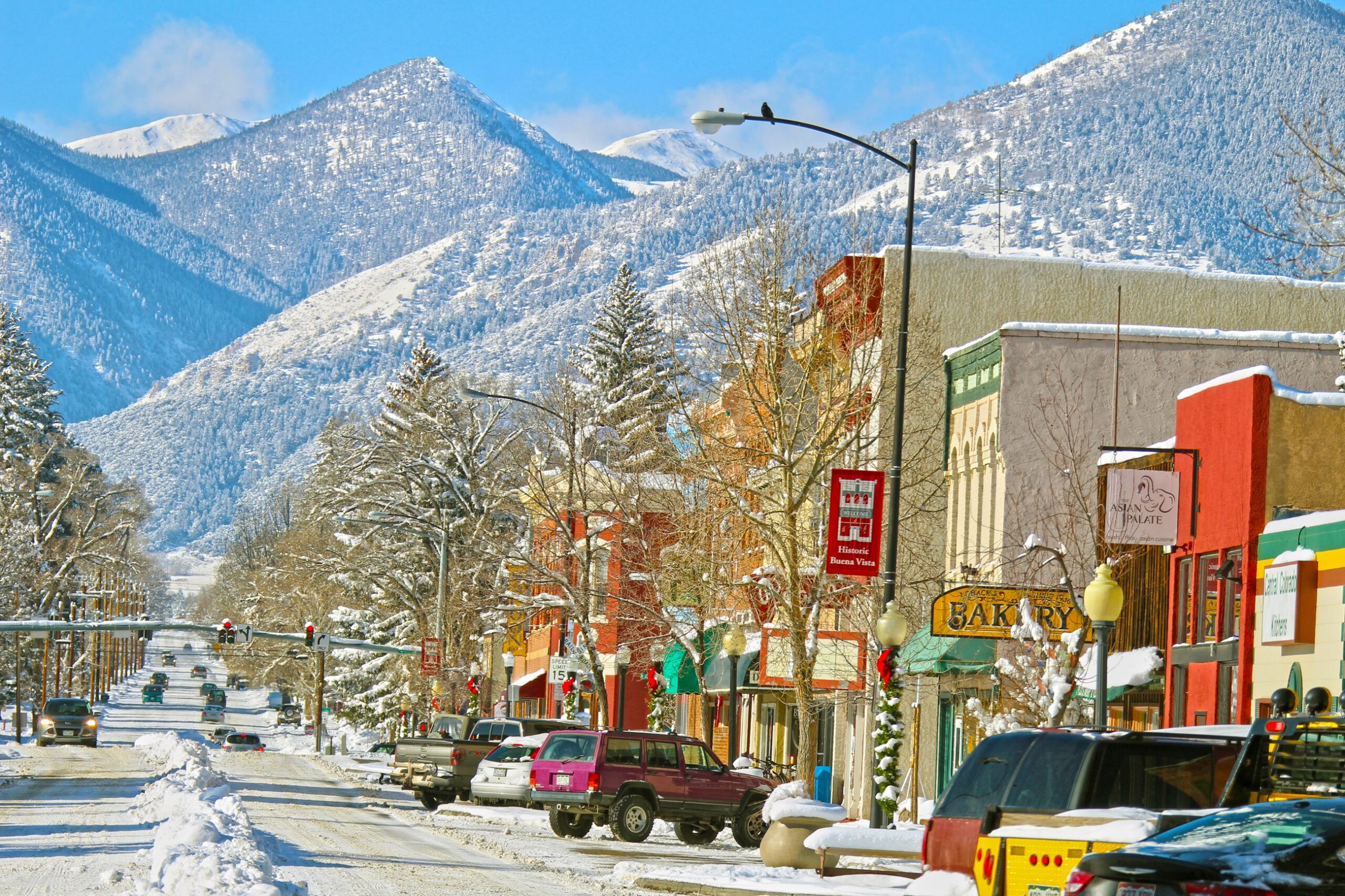
Statewide trends provide useful context, but Central Colorado has its own dynamics. Communities like Buena Vista, Salida, Leadville, and Poncha Springs attract a specific type of buyer: people prioritizing outdoor access, small-town character, and a lower-density lifestyle. That demand base is durable, which means the region does not see the same sharp corrections that larger metros experience.
Early 2026 data from Wedgewood Homes’ analysis of Denver and Colorado Springs real estate trends showed modest price declines, increased inventory, and longer selling timelines in those larger markets. Central Colorado has not mirrored those declines exactly, but the same forces, elevated mortgage rates and softening demand, have given buyers more room to work with than they had during the peak years.
Communities Worth Knowing Before You Search
Central Colorado covers a wide geographic area with distinct character in each pocket. Before committing to a search, it helps to understand what differentiates each community. You can review an overview of the region’s towns and neighborhoods on the Central Colorado communities page.
A few quick distinctions worth noting:
- Buena Vista sits at roughly 7,900 feet and offers the Arkansas River, strong trail access, and a growing local economy.
- Salida has an established arts community, a walkable downtown, and slightly milder winters than some surrounding areas.
- Leadville is the highest incorporated city in North America at over 10,000 feet, with a distinct character and lower price points than comparable mountain towns.
- Poncha Springs and Nathrop offer rural settings with proximity to both Salida and Buena Vista amenities.
- Fairplay and Twin Lakes attract buyers who want more land and more solitude, often at lower per-acre costs.
Each of these communities carries different price ranges, HOA structures, and land-use considerations. Knowing which lifestyle fits your priorities before you start touring properties saves significant time.
The True Cost of Ownership in This Region
Purchase price is only one piece of the financial picture in Central Colorado. Buyers who focus exclusively on list price often find themselves surprised by ongoing ownership costs once they close.
Mortgage Rates and What They Mean for Your Budget
Elevated mortgage rates have been a defining feature of the 2025-2026 market nationally. In a buyer market, sellers are more willing to contribute toward rate buydowns or closing costs, which can meaningfully reduce your effective monthly payment. It is worth asking for those concessions explicitly rather than assuming a seller will volunteer them.
Getting pre-approved before you begin touring properties is not optional in this market. Even with longer days on market, well-priced homes in desirable Central Colorado locations still attract multiple interested parties. A pre-approval letter signals seriousness and speeds the process once you find the right property.
Property Taxes in Chaffee and Park Counties
Colorado’s property tax structure has evolved over the past few years, partly in response to rapid appreciation during the pandemic era. Buyers should request the current assessed value and mill levy for any property they are seriously considering. Assessed values in some mountain communities lag behind market values, which can work in a buyer’s favor; in other cases, recent reassessments have pushed tax bills higher than buyers expect.
Ask your lender to include current property tax estimates in your monthly payment calculation, not just a generic placeholder. The difference between an outdated estimate and the actual bill can be several hundred dollars per month on higher-value properties.
Home Insurance Costs and Environmental Risk
This is the cost that catches the most buyers off guard in Central Colorado. Wildfire risk, altitude, and limited local fire suppression infrastructure all affect insurance availability and pricing. Some carriers have reduced their exposure in mountain Colorado, which means fewer options and higher premiums for the policies that remain.
Before making an offer, contact two or three insurance carriers to get actual quotes for the specific property. Do not rely on the seller’s current premium as a benchmark; their policy may be grandfathered at a rate that is no longer available to new buyers. Factor the actual insurance cost into your monthly payment calculation before you decide what you can afford.
Strategies for Maximizing a Buyer Market Opportunity
Understanding that conditions favor buyers is useful. Knowing how to act on that advantage is what separates buyers who close well from those who lose deals or overpay despite favorable conditions.
Use Days on Market as a Negotiating Signal
When a property has been listed for 45 days or more in a market where the median is 67 days, that is information. It may indicate overpricing, a condition issue, or simply a seller who has not yet adjusted expectations. In any of those cases, there is room to open a conversation about price or terms that would not have existed in a tighter market.
Review the price history before making an offer. A property that has already seen one or two reductions is a seller who has demonstrated willingness to move. A property at its original list price after 60 days is a seller who may be testing the market; your offer can reset that conversation.
Request Inspections and Act on the Results
In a seller’s market, buyers routinely waived inspection contingencies to win deals. That dynamic has eased considerably. In the current buyer market, you should conduct a full general inspection and, for mountain properties specifically, consider adding:
- A well and septic inspection if the property uses either system
- A radon test, given Colorado’s elevated radon levels in many areas
- A structural inspection for older homes or those with visible foundation concerns
- A chimney inspection if there is a wood-burning fireplace or stove
Use the inspection results to negotiate repairs or a price reduction. Sellers who are motivated to close will engage with reasonable requests. Those who refuse straightforward repair items after an extended time on market are telling you something worth knowing before you commit.
Know What You Want Before You Search
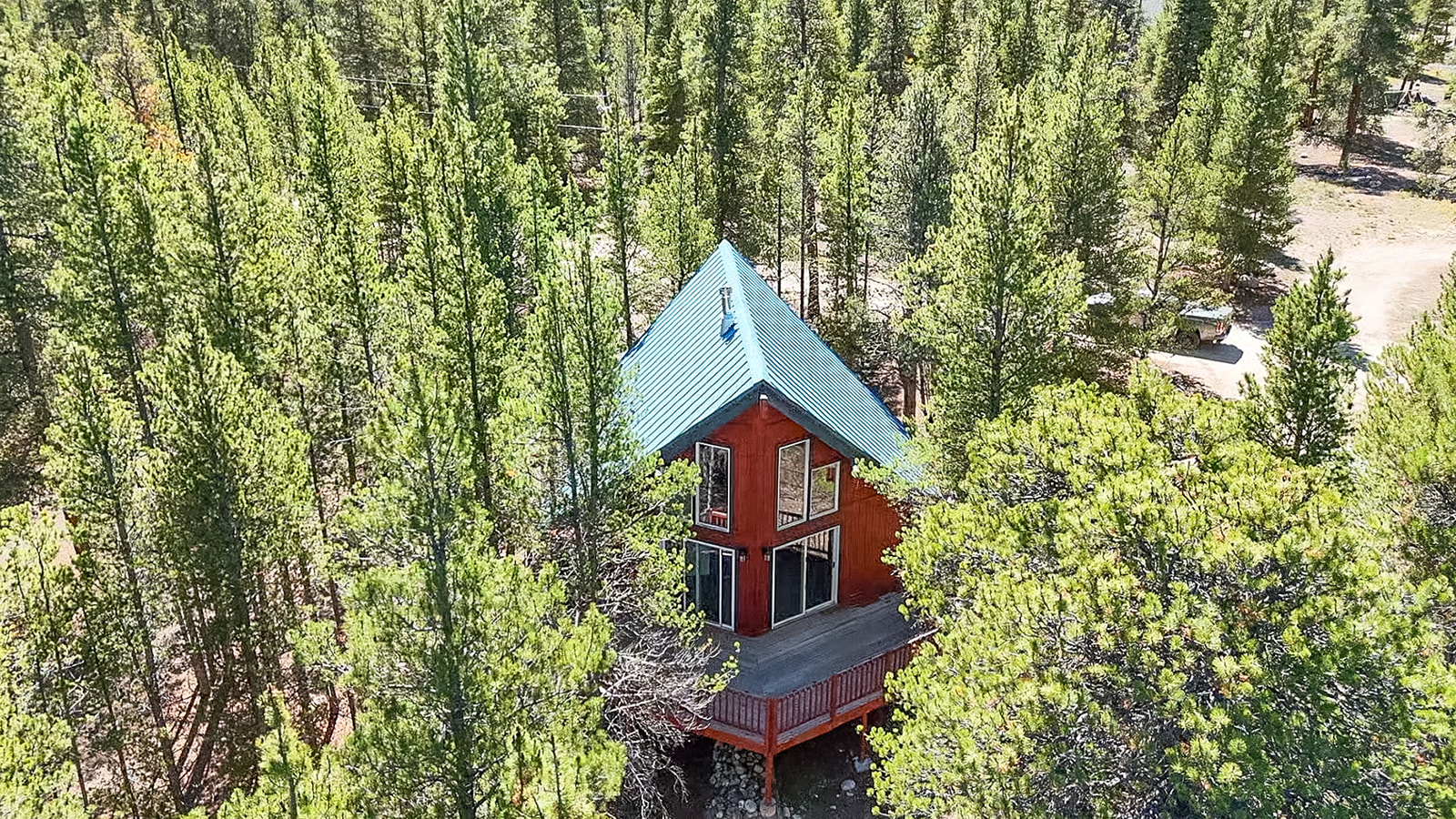
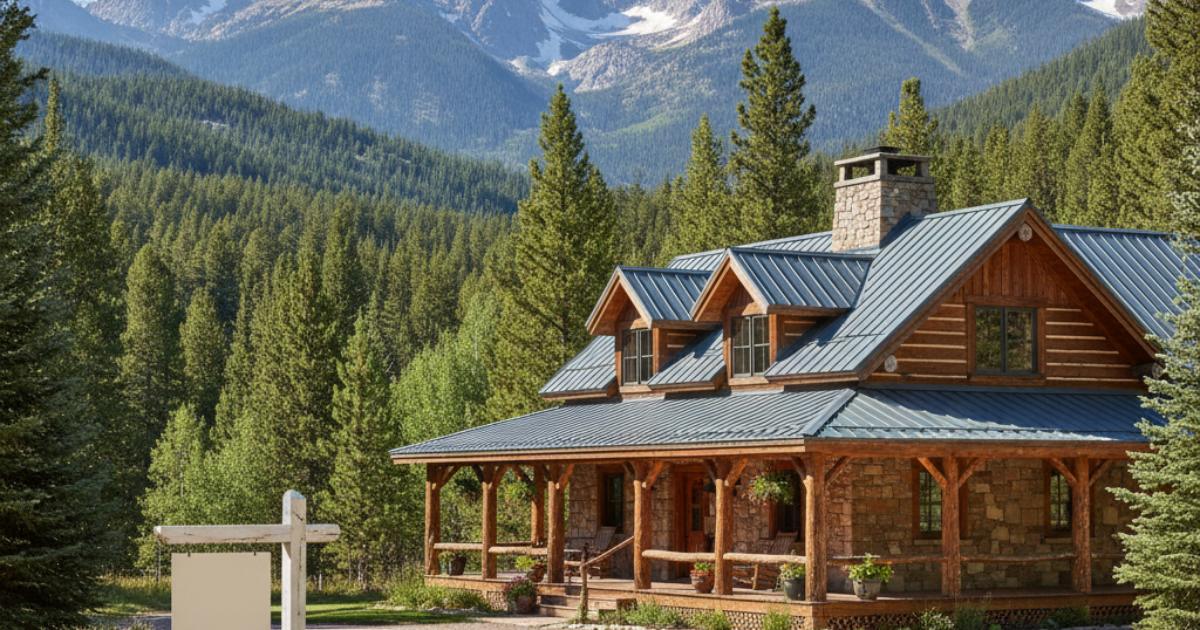
The broader selection available in a buyer market can actually slow buyers down if they have not prioritized their criteria. More choices mean more time spent evaluating properties that do not fit. Spend time before you start touring to rank your must-haves against your nice-to-haves. Acreage, proximity to trails, garage size, year-round road access, and well versus municipal water are all factors that vary significantly across Central Colorado properties.
You can browse active listings across the region using the Central Colorado home search tool to get a realistic sense of what is available at different price points before committing to in-person tours.
Affordable Housing Initiatives and What They Mean for Buyers
Chaffee County and the City of Salida have both pursued affordable housing initiatives in recent years, partly in response to workforce housing shortages. These programs occasionally create purchasing opportunities for qualified buyers, including deed-restricted units at below-market prices. Eligibility requirements vary, and inventory is limited, but buyers who qualify should investigate these options alongside the conventional market.
Local initiatives also affect the broader market indirectly. As more workforce housing comes online, it can ease pressure on the entry-level conventional market, which benefits buyers at every price point by moderating competition.
Putting It All Together Before You Relocate
Relocating to Central Colorado involves more variables than a typical in-market move. You may be buying without the ability to tour a property multiple times. You may be making decisions about communities you have only visited briefly. And you are doing all of this while managing a move from another city or state.
The current buyer market conditions reduce some of that pressure by giving you more time and more leverage. But preparation still determines outcomes. Buyers who arrive with financing in order, a clear sense of their priorities, and a realistic understanding of total ownership costs consistently close on better terms than those who are still sorting out those basics mid-search.
The Central Colorado buyer’s guide walks through the full purchasing process with specific attention to mountain and rural property considerations. It is a practical starting point for anyone who is still building their relocation plan.
If you are ready to start looking at specific properties or want to talk through what the current market means for your situation, I work with buyers across Buena Vista, Salida, Leadville, Fairplay, and the surrounding communities. Reach out directly through the contact page and we can build a search strategy that fits your timeline and your budget.
Frequently Asked Questions
What does it mean for Colorado to be in a buyer market?
Colorado is in a buyer market when housing supply exceeds demand, shifting negotiating power to buyers. This typically results in longer selling times, more seller concessions, and a wider selection of properties available.
How does Central Colorado’s market differ from the statewide picture?
While statewide trends show a buyer market, Central Colorado has unique dynamics due to its appeal for outdoor access and small-town living. Demand is durable, meaning the region doesn't experience the same sharp price corrections as larger metros, though buyers still have more room to negotiate than in prior years.
What are the hidden costs of homeownership in Central Colorado beyond the purchase price?
Beyond the purchase price, buyers must consider elevated mortgage rates, which sellers may help with through buydowns. Property taxes can vary, and home insurance is particularly costly due to wildfire risk and limited local infrastructure, so getting actual quotes is crucial.
How can I leverage the longer days on market in Central Colorado?
Properties sitting on the market longer than the median 67 days may indicate overpricing or other issues, creating an opportunity to negotiate price or terms. Reviewing price history for reductions also signals a seller's willingness to compromise.
Should I still get home inspections in a buyer market?
Yes, you should absolutely get home inspections, even in a buyer market. For Central Colorado properties, consider specialized inspections for wells, septic systems, radon, structural integrity, and chimneys, then use the results to negotiate repairs or a price reduction.